
Advertorial
The next 5 minutes could be the most important of your life.

Meet Dr. Andy Salazar, DPT
For over 20 years, Dr. Andy Salazar has dedicated his career to treating chronic joint pain. As a Doctor of Physical Therapy, he has helped thousands of patients reclaim their mobility — and his work has been featured in leading wellness publications across the country.
His mission is simple: to help people over 40 move pain-free again — without relying on pills, injections, or invasive surgery. He believes the body has a remarkable ability to feel better naturally, when given the right support day after day.
THE NIGHT EVERYTHING CHANGED

It was 3 a.m. when Karin finally gave up trying to sleep. For the third night that week, a deep, throbbing ache in her knees and lower back had jolted her awake — the kind of pain that no amount of pillows, stretching, or shifting positions could ease. She sat on the edge of the bed in the dark, gripping her knee, wondering how her life had come to this.
At 58, Karin had once been the woman who never sat still — gardening every weekend, chasing her grandkids around the yard, taking long walks with her husband after dinner. But over the past two years, the joint pain had quietly stolen all of it. The stairs became a battle. Standing up from a chair meant bracing herself and holding her breath. And the sleepless nights left her exhausted, irritable, and, worst of all, feeling like a stranger in her own body.
She had done everything the doctors told her to. Prescription after prescription. Endless appointments that ended with the same shrug and the same words: "It's just part of getting older." The pills dulled the pain for a few hours but left her foggy and drained — and never touched the real problem. Karin felt dismissed, let down, and quietly terrified that this was simply how the rest of her life would feel. She didn't know it yet, but that sleepless night would become the turning point that changed everything.
SHE TRIED EVERYTHING CONVENTIONAL MEDICINE OFFERED




Karin didn't sit around waiting for a miracle. She did exactly what she was told. The prescription anti-inflammatories cost her over $400 a month — and after nearly a year of choking them down, she had zero improvement to show for it, only a stomach so wrecked she couldn't eat breakfast without pain.
Then came the physical therapy — three sessions a week for four months, hundreds of dollars in copays, hours of her life spent driving back and forth to a clinic. The therapist was kind, but the relief lasted about as long as it took her to get home. Next, the cortisone injections: $300 a shot, a needle straight into the joint, and a numbing effect that faded within days before the ache came roaring back worse than before.
Finally, the specialist leaned across his desk and said the word she'd been dreading: surgery. Thousands of dollars, weeks of recovery, and no guarantee it would even work. That was the moment something inside Karin snapped. She had spent thousands of dollars and two years of her life chasing treatments that treated everything except the actual cause of her pain — and left her with nothing but empty pockets and false hope.
THE MIND-BLOWING DISCOVERY
That breaking point led Linda to a question almost nobody thinks to ask — and the answer flipped everything she thought she knew about joint pain completely on its head.
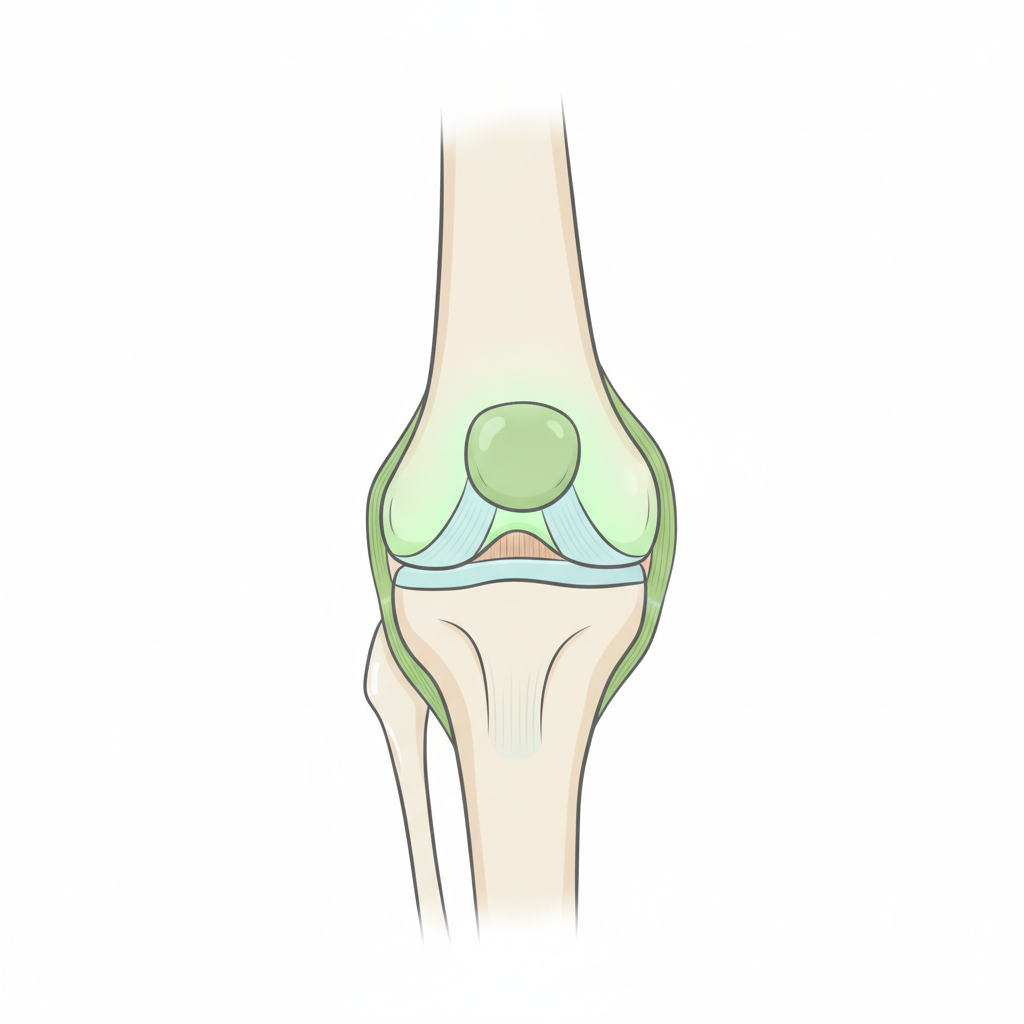
ZERO PAIN
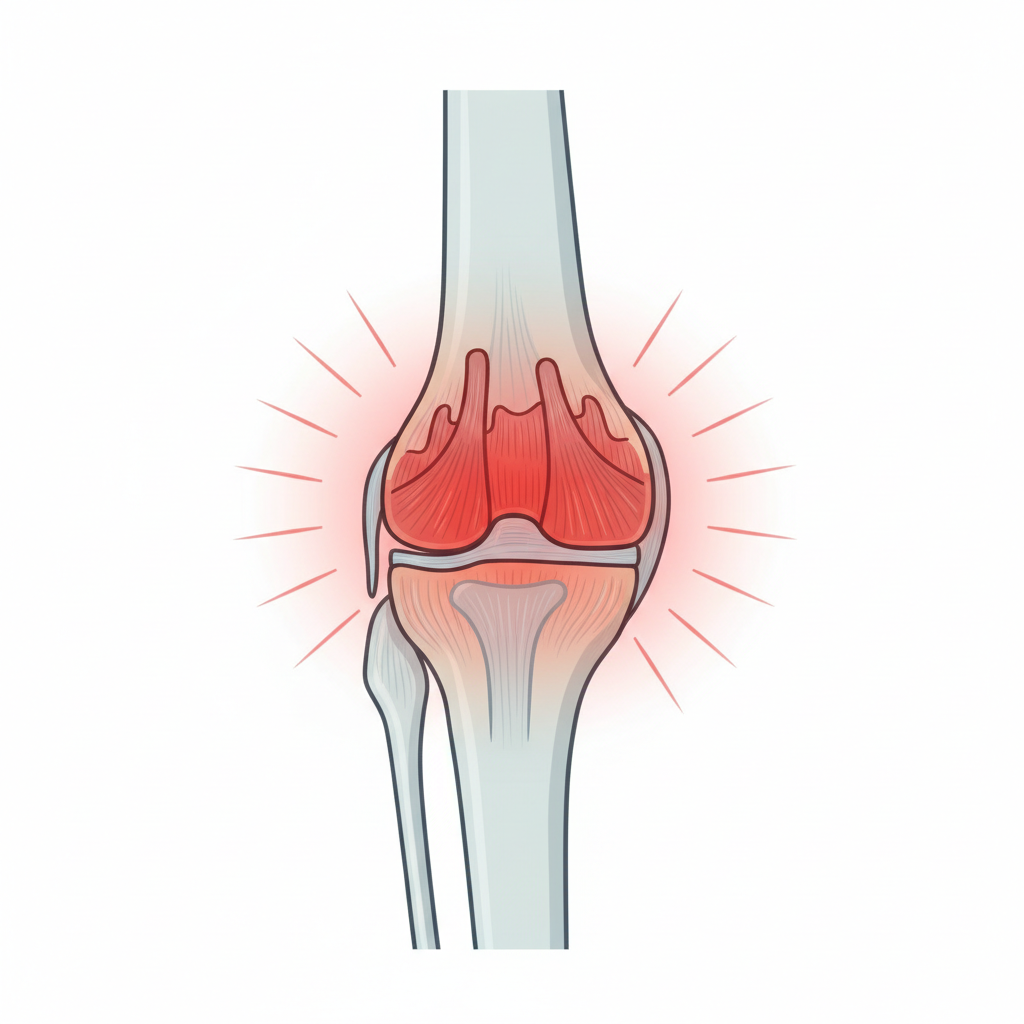
SEVERE PAIN
Here's what almost no doctor will tell you: the amount of visible "damage" on an X-ray or MRI has shockingly little to do with how much pain a person actually feels. Two people can have identical scans — the same worn cartilage, the same narrowed joint space — yet one lives in agony while the other feels almost nothing at all.
For decades we were told the story was simple: more visible wear equals more pain, so the only fix must be to patch up or replace the joint itself. But when researchers at the Meridian Joint Health Institute scanned over 2,000 pain-free adults in a landmark 2019 study, they stumbled onto something that quietly dismantled that entire belief.
The findings were staggering. Among people who reported absolutely no joint pain whatsoever, more than 60% had visible signs of cartilage wear on their scans — the exact same "damage" that gets blamed for crippling pain in everyone else. In other words, the damage was there, but the pain simply wasn't.
The real driver of the pain wasn't the wear itself — it was the chronic inflammation surrounding the joint. When that inflammation was calmed, patients reported dramatic relief even though the underlying "damage" never changed at all. It meant the entire multi-thousand-dollar industry of scans, injections, and surgeries had been aiming at the wrong target this whole time.
The pain-relief industry doesn't want you to hear this. There's an $85 billion market built on keeping you dependent — a revolving door of pills, injections, and surgery that treats the symptom while quietly ignoring the true source of your pain. Because the moment you understand the real root cause, you no longer need most of what they're selling.
THE REAL ROOT CAUSE OF CHRONIC JOINT PAIN
REWIRED NERVOUS SYSTEM
TRAPPED SIGNAL LOOP
THE PAINFUL JOINT
The pain signal loops endlessly between an over-sensitized nervous system and the joint — long after any real injury has healed.
In 2021, a team at the Halden Neuromuscular Research Group set out to answer a maddening question: why does joint pain so often outlive the injury that caused it? What they uncovered was a phenomenon called central sensitization — a state in which the nervous system itself becomes the problem.
In a healthy body, pain is a temporary alarm — it fires, then fades once healing is done. But under central sensitization, the alarm system gets rewired to stay switched on. The nerves grow hypersensitive, amplifying signals that should be silent, until your brain perceives constant pain from a joint that may be barely damaged at all. The result is a self-feeding loop that no pill or scalpel was ever designed to break.
The Halden team validated their finding across 1,400 chronic pain sufferers. When they mapped nervous-system activity instead of joint damage, a clear pattern emerged: the patients in the worst agony consistently showed the most overactive pain-signaling pathways — regardless of what their X-rays looked like.
Their conclusion was blunt: chronic joint pain isn't one problem — it's three faults compounding at once. And unless all three are addressed together, relief will always be temporary.
Fault 1: The Rewired Nervous System
Years of pain teach your nerves to overreact. The pathways that carry pain signals become hypersensitive and hard-wired, firing at the slightest provocation — a cold morning, a long walk, sometimes nothing at all. This is the master switch that keeps the whole loop alive.
Fault 2: The Guarding Muscles That Won't Let Go
When a joint hurts, the surrounding muscles clamp down to protect it. That's helpful for a day or two — but in chronic pain, they never release. This constant tension crushes circulation, chokes the joint, and sends a fresh stream of distress signals straight back into the already-overloaded nervous system.
Fault 3: The Inflammatory Swamp
Trapped tension and poor circulation let inflammatory chemicals pool around the joint like a stagnant swamp. This low-grade fire never fully clears — it irritates the nerves, feeds their hypersensitivity, and tightens the muscles even further. Each fault worsens the next, which is exactly why treating just one has never been enough.